

Views: 0 Author: Site Editor Publish Time: 2026-02-13 Origin: Site


Are you looking to upgrade your outdoor space with a outdoor hanging swing chair? Choosing the right material is crucial for durability and comfort. In this article, we'll compare rattan, wicker, and metal swing chairs to help you decide which is best suited for your outdoor environment.
The material of your outdoor hanging swing chair directly influences durability, comfort, and weather resistance. Here's how:
● Durability: Materials like aluminum and synthetic wicker (HDPE) are built to withstand the elements. Metal is rust-resistant and wicker provides flexibility without losing shape.
● Comfort: Materials like wicker are breathable, making them more comfortable for lounging on warm days. Metal requires cushions to improve comfort.
● Aesthetics & Longevity: Durable materials maintain their look over time. Wicker brings a rustic charm, while metal adds a modern flair, staying functional for years.
To ensure your outdoor hanging swing chair lasts for years, these factors are essential:
● Weather Resistance: High-quality materials like HDPE wicker and aluminum are resistant to moisture, UV rays, and rain.
● Strength: Metal frames provide excellent support, while wicker benefits from a sturdy foundation.
● Maintenance: Low-maintenance materials like synthetic wicker and powder-coated aluminum make cleaning and upkeep easy.
Material | Weather Resistance | Maintenance |
Aluminum | High (rust-resistant) | Easy (soap & water) |
Synthetic Wicker | Good (UV & moisture resistant) | Low (easy upkeep) |
The combination of these factors ensures a long-lasting and comfortable outdoor experience, especially when Foshan Ocean Furniture incorporates metal frames and synthetic wicker for durability and design.
Rattan is a natural material that is highly valued for its strength and flexibility. Here's how it's used in outdoor swing chairs:
● What is Rattan?
○ Rattan is a type of vine that grows in tropical regions. It's lightweight yet strong, making it an ideal choice for furniture.
● Woven into Wicker: Rattan is often woven into wicker patterns, a centuries-old tradition. The technique of weaving rattan into wicker creates furniture with a distinctive look and durable structure.
● Natural vs. Synthetic: While natural rattan is beautiful, synthetic versions made from PE (polyethylene) or HDPE (high-density polyethylene) are often used in outdoor settings due to their weather-resistant properties.
When it comes to durability, synthetic wicker generally outperforms natural wicker in outdoor conditions. Here's why:
● Synthetic Wicker (PE, HDPE):
○ PE and HDPE wicker are designed to be weatherproof, UV resistant, and moisture resistant. These synthetic materials are perfect for outdoor use, resisting fading, cracking, and mildew.
○ Longevity: With proper care, synthetic wicker can last 20 years or more, even when exposed to the elements.
● Natural Rattan:
○ Limitations: Natural rattan can deteriorate quickly when exposed to direct sunlight, rain, and humidity. It’s best suited for indoor use or protected outdoor spaces like covered patios.
○ Care Required: If exposed to the outdoors, it requires constant care and protective covers to maintain its integrity.
Material | Weather Resistance | Longevity | Care Requirements |
Synthetic Wicker | Excellent (UV & moisture resistant) | 20+ years | Low maintenance |
Natural Rattan | Poor (fades, cracks, rots) | 3-5 years outdoors | High maintenance (covers, protection) |
Both rattan and wicker offer comfort and aesthetic appeal that make them perfect for outdoor use. Here’s why:
● Breathability: Wicker's open weave allows for maximum airflow, making it comfortable for warmer climates. It doesn't absorb heat like metal, so it's cooler to the touch during summer.
● Aesthetic Value: The intricate weaving patterns of wicker and rattan bring a natural charm to outdoor settings. Whether you choose natural wicker or synthetic, the texture and finish enhance your garden’s style.
● Incorporating Wicker into Garden Styles:
○ For coastal gardens, wicker offers a breezy, relaxed feel.
○ In modern outdoor spaces, synthetic wicker works well for a clean and contemporary look.
Foshan Ocean Furniture combines the best of both worlds, offering high-quality synthetic wicker swing chairs that bring both comfort and elegance to your outdoor space. These weather-resistant chairs maintain their aesthetic charm for years, while providing luxurious relaxation.
When selecting a outdoor hanging swing chair, the metal you choose plays a crucial role in both the strength and versatility of the chair. The three most common types of metal used in outdoor swing chairs are aluminum, steel, and wrought iron. Here's how they compare:
● Aluminum:
○ Lightweight: Aluminum is easy to move and handle, making it perfect for rearranging your outdoor setup.
○ Corrosion-resistant: Naturally resists rust and corrosion, even in humid or coastal environments.
○ Durability: While aluminum is highly resistant to the elements, it's less durable than heavier metals like steel and wrought iron.
● Steel:
○ Heavy-duty: Steel offers superior strength and stability, making it ideal for chairs that need to withstand heavy use.
○ Rust-prone: Without proper treatment, steel is more susceptible to rust than aluminum, especially when exposed to moisture.
○ Durability: Steel's long-lasting nature makes it a great option for areas that experience harsh weather conditions.
● Wrought Iron:
○ Sturdy and Ornate: Wrought iron is known for its heavy weight and classic aesthetic, perfect for a more traditional outdoor setup.
○ Rust resistance: It needs a protective coating to prevent rusting, but when well-maintained, it can last for decades.
○ Heavy: Its weight makes it stable but can be difficult to move, which is important to consider for your outdoor setup.
Metal Type | Weight | Corrosion Resistance | Best For |
Aluminum | Lightweight | Very High (rust-resistant) | Small to medium-sized outdoor spaces |
Steel | Heavy | Moderate (requires coatings) | Strong support, heavy-duty use |
Wrought Iron | Very Heavy | Moderate (needs regular care) | Traditional aesthetic, large areas |
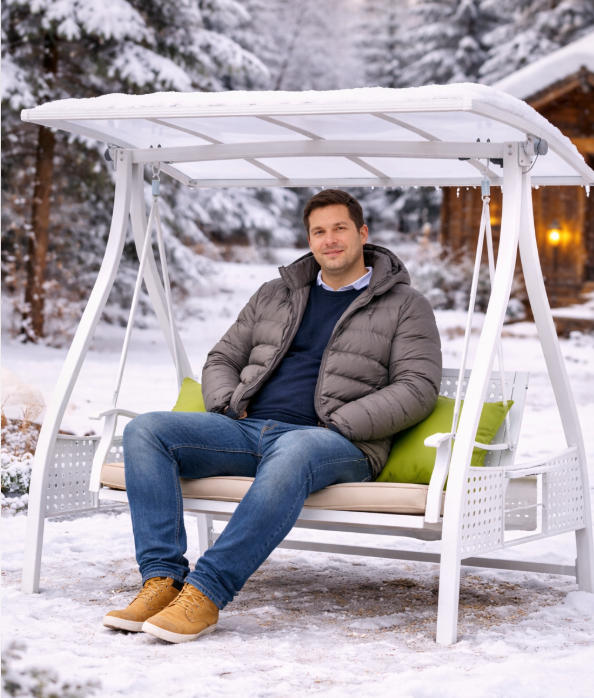
One of the primary advantages of metal in outdoor swing chairs is its resistance to the elements. Here’s how aluminum, steel, and wrought iron handle weather, moisture, and UV exposure:
● Aluminum:
○ Corrosion-resistant by nature, aluminum is great for coastal areas or regions with high humidity. Its powder-coated finish adds an extra layer of protection against moisture and UV rays, making it ideal for outdoor furniture exposed to the sun and rain.
● Steel:
○ While steel is durable, it’s prone to rust if not properly treated. Zinc coating or powder coating can provide a protective barrier against moisture and UV rays, but it still requires regular maintenance to keep it looking good.
● Wrought Iron:
○ Rust-prone unless treated with protective coatings, wrought iron can be vulnerable to moisture and rain. However, it remains highly durable when maintained properly and can last for decades. It performs better in milder weather conditions or when placed under covered areas.
Comfort and maintenance are key aspects of metal swing chairs for outdoor use. Here's a breakdown:
● Comfort:
○ Inherent rigidity: Metal frames are naturally stiff, so without added padding, they may not provide as much comfort as wicker or rattan.
○ Cushioning: To enhance comfort, adding cushions and throw pillows can significantly improve the seating experience. Metal swing chairs can be designed with ergonomic features to provide better support.
● Maintenance:
○ Cleaning: Metal chairs are easy to clean with a simple wipe-down. Use soap and water to remove dirt and grime.
○ Rust Prevention: Aluminum and steel require minimal upkeep, but wrought iron needs regular maintenance, such as touching up scratches to prevent rust.
○ Protective Treatments: Powder coating and protective covers can extend the lifespan of metal swing chairs by providing an extra layer of protection against weather and moisture.
Material | Comfort | Maintenance | Weather Resistance |
Aluminum | Sturdy, but requires cushions | Easy cleaning, low maintenance | Very resistant to weather |
Steel | Heavy but needs cushions | Moderate (touch-up coatings) | Needs protection from rust |
Wrought Iron | Solid but requires padding | High maintenance (rust protection) | Vulnerable without coating |
In hot, dry climates, the material of your outdoor hanging swing chair matters significantly. Here's how rattan, wicker, and metal fare under intense sun exposure and dry conditions:
● Rattan and Wicker:
○ Synthetic wicker made from HDPE performs well in hot, dry climates, as it resists UV rays and moisture. Unlike natural rattan, synthetic wicker doesn't dry out or crack under the sun.
○ Natural rattan, however, is prone to fading, cracking, and becoming brittle when exposed to intense heat and direct sunlight.
● Metal (Aluminum):
○ Aluminum is ideal for hot climates. Its lightweight nature and resistance to heat make it comfortable to sit on, even in direct sunlight. It reflects sunlight rather than absorbing heat, which prevents it from getting too hot to the touch.
Material | Sun Exposure | Heat Resistance | Durability in Dry Climates |
Synthetic Wicker | Good (UV-resistant) | Very High (no fading) | Excellent (no cracking or fading) |
Natural Rattan | Poor (fades, cracks) | Low (drying out) | Moderate (needs cover) |
Aluminum | Excellent (heat-reflective) | High (stays cool) | Excellent (no heat absorption) |
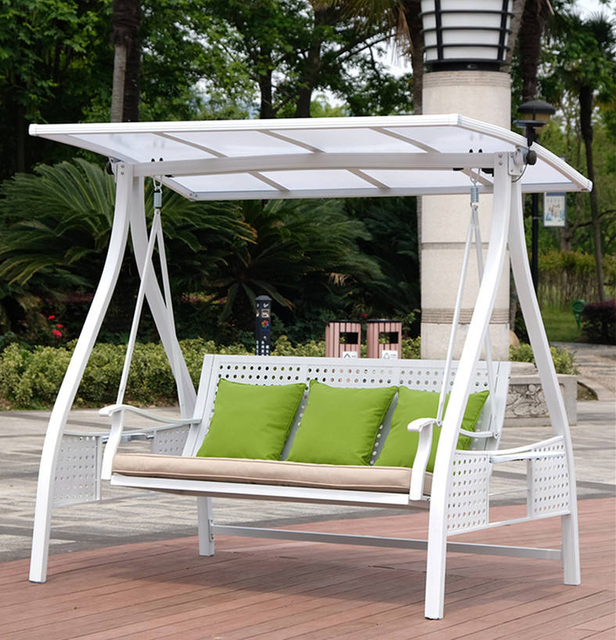
Moisture and rain resistance is critical for materials exposed to the elements. Here's how rattan, wicker, and metal perform:
● Synthetic Wicker:
○ PE and HDPE wicker resist water damage effectively. Unlike natural wicker, synthetic wicker doesn’t absorb water, making it ideal for areas with rain or high humidity.
● Aluminum:
○ Aluminum is impervious to moisture and corrosion. Whether it's rain or humidity, aluminum chairs stay intact without rusting or degrading.
● Steel and Wrought Iron:
○ Steel and wrought iron can develop rust if their protective coatings are compromised. Rust prevention treatments are essential for these metals, especially in humid or rainy conditions.
Material | Water Resistance | Moisture Resistance | Rust Resistance |
Synthetic Wicker | Excellent (no absorption) | High (weatherproof) | High (low maintenance) |
Aluminum | Excellent (no rust) | Excellent (moisture-proof) | Very High (powder-coated) |
Steel/Wrought Iron | Poor (rust-prone) | Moderate (requires care) | Low (needs regular touch-up) |
Cold weather and frost present unique challenges for outdoor materials. Here's how rattan, wicker, and metal handle freezing temperatures:
● Wicker and Rattan:
○ Synthetic wicker is designed to withstand cold temperatures without cracking. However, natural rattan becomes fragile and can crack in freezing conditions.
● Metal:
○ Aluminum performs exceptionally well in cold weather, with little to no expansion or contraction. However, metals like steel and wrought iron can suffer from rust during freeze-thaw cycles if not properly protected.
Choosing the right material for outdoor swing chairs is crucial for durability and comfort. Foshan Ocean Furniture delivers durable, stylish outdoor swing chairs, combining comfort, longevity, and modern design for all weather conditions.
A: Aluminum is the most durable material for swing chairs outdoors due to its rust resistance and lightweight nature, making it ideal for harsh weather conditions.
A: Synthetic wicker, especially HDPE, is more weather-resistant than natural rattan, making it a better choice for swing chairs outdoors in areas with extreme sun or rain exposure.
A: Aluminum and powder-coated metal perform well in most weather conditions, while steel and wrought iron require more maintenance, especially in humid or rainy climates.
A: Clean synthetic wicker with mild soap and water. For natural rattan, use protective covers during harsh weather to avoid damage from moisture and sun.
A: Metal swing chairs can be rigid, but adding cushions enhances comfort. Foshan Ocean Furniture offers ergonomic designs for improved relaxation.


