

Views: 0 Author: Site Editor Publish Time: 2025-12-12 Origin: Site


Outdoor rope chairs have become a popular choice for creating stylish, comfortable, and functional outdoor spaces. Whether for a patio, garden, or poolside area, selecting the right material for these chairs is crucial for ensuring longevity and durability. Two common materials used in outdoor rope chairs are PVC (Polyvinyl Chloride) and Olefin (Polypropylene). Understanding the differences between these materials can help you make an informed investment decision that will provide long-lasting value for your outdoor space. In this article, we will compare PVC and Olefin in terms of durability, maintenance, cost, comfort, and environmental impact, to help you choose the best outdoor rope chair material for your needs.
PVC is a synthetic plastic polymer known for its durability, weather resistance, and affordability. It is commonly used in outdoor furniture, including outdoor rope chairs, because it is resistant to UV rays, moisture, and mildew. PVC is also known for its strength, making it a popular choice for furniture that will endure various weather conditions.
Olefin, or polypropylene, is a thermoplastic polymer that is lightweight, durable, and resistant to UV rays and mildew. Olefin is widely used in outdoor rope chairs due to its comfort, softness, and ability to maintain its appearance over time. It is an ideal choice for those seeking an affordable, high-performance material for outdoor seating.
Both PVC and Olefin are used in a wide range of outdoor furniture, including outdoor rope chairs, loungers, and cushions. PVC is often used for frames and ropes, while Olefin is frequently found in woven chair designs and cushion fabrics. Both materials provide excellent outdoor performance, but they cater to slightly different preferences in terms of comfort and durability.
When it comes to outdoor furniture, durability is key. PVC is highly resistant to UV rays, moisture, and mildew, which makes it an excellent choice for chairs that will face direct sunlight, rain, and varying temperatures. Olefin, while also resistant to UV rays and moisture, can sometimes show signs of wear in extreme weather conditions. However, Olefin is still a strong contender for its ability to maintain color and resist fading over time.
PVC outdoor rope chairs are easy to clean due to their smooth surface and resistance to staining. A simple wipe-down with mild soap and water is typically all that is needed. Olefin, on the other hand, is naturally resistant to stains and fading, but it can accumulate dirt in its woven texture, requiring more frequent cleaning. Both materials, however, are low-maintenance compared to other outdoor seating materials, making them excellent choices for outdoor rope chairs.
PVC has a slightly firmer texture, which may not be as soft as Olefin. Olefin’s woven rope texture feels soft and comfortable, making it a great choice for outdoor rope chairs where guests may be seated for extended periods. Olefin is also resistant to moisture absorption, so it dries quickly, which is important for comfort in outdoor settings. PVC, though durable, may not offer the same level of comfort for prolonged seating.
In extreme weather conditions, PVC tends to outperform Olefin in terms of longevity. PVC is highly resistant to sun exposure, making it ideal for areas with intense UV rays. However, Olefin performs better in terms of softness and color retention, which helps it last longer without fading in moderate conditions.
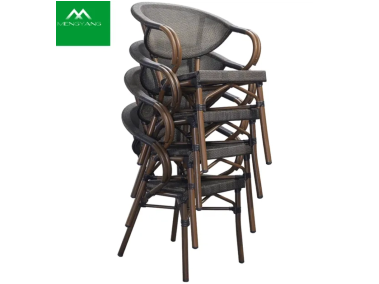
PVC outdoor rope chairs tend to be slightly more expensive due to their higher durability and resistance to environmental factors. Olefin, on the other hand, is generally more affordable, making it an attractive option for those seeking cost-effective outdoor rope chairs. However, while PVC might cost more initially, its longer lifespan can provide better long-term value.
When considering PVC versus Olefin for long-term investment, PVC’s superior durability may make it the better choice for areas with extreme weather. Although Olefin chairs are affordable, their lifespan may not be as long as PVC, especially in areas with frequent exposure to sun, rain, and snow.
The maintenance costs for both PVC and Olefin are relatively low, but Olefin may require more frequent cleaning due to its textured surface. Over time, PVC outdoor rope chairs might incur fewer maintenance costs as they are less prone to stains and fading, which may save money in the long run.
Warranties for PVC and Olefin rope chairs vary depending on the manufacturer, but generally, PVC offers longer-lasting products with warranties that extend up to 5-10 years. Olefin, while still durable, may offer shorter warranty periods, typically around 3-5 years, due to the softer nature of the material.
PVC outdoor rope chairs can be made in a variety of colors and finishes, offering a sleek and modern look. However, Olefin offers a more natural and textured appearance, which is preferred for creating a cozy and inviting atmosphere. The aesthetic choice largely depends on the desired style for your outdoor space.
PVC offers more customization options, as it can be molded into various shapes and designs. Olefin, while offering a natural look, may have fewer options for custom designs but still provides a wide range of color choices. For outdoor rope chairs, the color retention of Olefin ensures it maintains its vibrant hues longer than other materials.
The texture of PVC rope is generally smooth, offering a firmer, more durable feel. Olefin rope, however, provides a softer, more comfortable experience for long seating durations. Olefin's texture is woven, providing a more relaxed, cozy feel that may be preferred by guests.
The material you choose will greatly affect the ambiance of your patio. PVC outdoor rope chairs contribute to a modern and sleek design, while Olefin chairs help create a more relaxed, natural vibe. The right choice depends on the desired look and feel for your outdoor space.
| Feature | PVC | Olefin |
|---|---|---|
| Durability | Highly resistant to UV, moisture, and mildew. | Excellent UV and mildew resistance. |
| Maintenance | Easy to clean, resistant to staining and fading. | Requires less cleaning, resistant to stains and fading. |
| Comfort | Slightly less soft, but durable and firm. | Soft and comfortable, ideal for long seating. |
| Cost | Generally more expensive. | More affordable, offers great value for comfort. |
| Environmental Impact | Higher environmental footprint, harder to recycle. | More eco-friendly and recyclable. |
Tip: For longevity in outdoor rope chairs, PVC is a great choice for durability, while Olefin excels in comfort and affordability.
Both PVC and Olefin have environmental implications. PVC has a higher environmental footprint due to its production process, while Olefin is considered more eco-friendly due to its recyclability and lower impact on the environment.
While PVC is difficult to recycle and can contribute to waste, Olefin is highly recyclable and has a lower environmental impact in the long term. Olefin's production process also tends to use fewer resources, making it a better choice for eco-conscious buyers.
The production of PVC contributes significantly to environmental pollution, whereas Olefin has a more sustainable manufacturing process. Olefin's ability to be recycled and its lower environmental cost make it an appealing choice for eco-conscious buyers.
Considering long-term sustainability, Olefin proves to be the better material for those seeking eco-friendly options for outdoor rope chairs. Its durability and recyclability ensure it remains a more environmentally sustainable choice compared to PVC.
If you’re seeking outdoor rope chairs that will last through harsh weather conditions, PVC is the ideal choice. Its durability and resistance to environmental factors make it perfect for areas with intense sun, rain, and snow.
For those on a budget but still looking for long-lasting comfort, Olefin offers an affordable option. It provides comfort, UV stability, and a pleasant seating experience without the higher upfront cost of PVC.
When comparing PVC and Olefin, each material has its strengths. PVC excels in durability, while Olefin offers affordability and comfort. The best choice depends on your specific needs—whether it's long-lasting resilience or a softer seating experience.
Selecting the right material for your outdoor rope chair investment is crucial for longevity, comfort, and style. PVC offers superior durability and resistance to environmental factors, making it ideal for harsh weather conditions. Olefin, on the other hand, is more affordable and provides a softer, comfortable seating experience. Foshan Ocean Furniture Co., Ltd. offers high-quality outdoor rope chairs, ensuring long-lasting value with durable and comfortable materials. Choose based on your patio's needs, weather conditions, and budget.
A: PVC offers superior durability and resistance to UV rays, moisture, and mildew, making it ideal for outdoor rope chairs in harsh conditions. Olefin is more affordable and provides a softer, comfortable feel for long seating periods.
A: PVC is the better choice for longevity in outdoor rope chairs due to its higher resistance to weather elements. Olefin is also durable but may not last as long under extreme weather conditions.
A: Yes, outdoor rope chairs made with Olefin are soft and comfortable, providing a pleasant seating experience. Olefin’s woven texture adds to its comfort, making it suitable for extended use.
A: Both PVC and Olefin outdoor rope chairs are low-maintenance. PVC is easy to wipe clean, while Olefin may require occasional washing to remove dirt. Regular cleaning ensures both materials stay in great condition.
A: Yes, Olefin is generally more affordable than PVC. While PVC offers greater durability, Olefin is a cost-effective option for those prioritizing comfort and a softer feel in outdoor rope chairs.


