

Views: 0 Author: Site Editor Publish Time: 2026-01-31 Origin: Site


Spiders may be nature's pest controllers, but they don't belong on your outdoor furniture. Whether you’re lounging on an outdoor sofa, dining at your outdoor table chairs, or soaking up the sun on a sun lounger, the last thing you want is a spider sneaking by.
In this article, we’ll explore practical, eco-friendly tips to keep spiders away from your outdoor furniture. Get ready to enjoy your hanging swing chairs and outdoor cushion boxes without those eight-legged intruders.
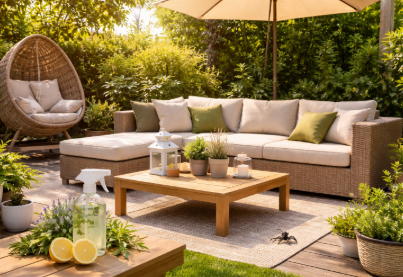
Spiders seek shelter in dark, undisturbed places where they can hide safely from predators and where they can build their webs. Your outdoor furniture—whether it’s a comfortable outdoor sun lounger, a beach umbrella, or your camping furniture—provides an ideal environment for them. Cushions, cracks, and crevices in your furniture offer dark corners where spiders can easily hide. In addition, the moisture from dew or rain that accumulates on your furniture makes it a prime location for spiders, who thrive in cool, damp environments. Outdoor cushion boxes or hanging swing chairs that are left out in the open and unprotected create perfect havens for spiders.
Spiders are predatory creatures that feed on other insects, and outdoor furniture surrounded by plants or near a garden attracts many insects. This becomes a feeding ground for spiders who will spin webs around the furniture to catch prey. The closer your furniture is to areas of vegetation, such as flower beds or shrubs, the more likely it is that spiders will be drawn in. They also seek places that are populated by other insects like flies, mosquitoes, or moths. These insects often mistake your outdoor furniture for a safe zone, and the spiders make good use of that by setting up their webs.
Regular cleaning and maintenance are the first and most effective step you can take to deter spiders from making their home on your outdoor furniture. Dusting, sweeping, and vacuuming your furniture, whether it’s a Hanging Swing Chairs or an Outdoor Sun Lounger, helps eliminate webs, spider eggs, and other debris. You may want to clean under cushions, around the legs of Outdoor Table Chairs, and along the edges of your Outdoor Beach Umbrella. The more frequently you clean your furniture, the less likely spiders are to set up shop.
By keeping your furniture clean and free from dirt, you not only discourage spiders but also prevent the buildup of moisture, which would otherwise create the perfect conditions for spider webs to form. This simple step can make a big difference in keeping your outdoor furniture spider-free, as spiders will typically avoid areas that are frequently disturbed and lack a suitable environment for web building.
If cleaning alone isn’t enough to keep spiders away, you can use natural or commercial spider repellent products. Essential oils, such as peppermint, citronella, and eucalyptus, act as powerful deterrents for spiders. These oils can be mixed with water in a spray bottle and applied directly to your furniture. Spraying your outdoor cushion boxes, outdoor chairs, and even hanging swing chairs with this solution creates an environment that spiders dislike, keeping them at bay.
For a more long-lasting solution, you may opt for commercial spider repellents available in stores. These sprays are designed to create an invisible barrier on your outdoor furniture, deterring spiders from entering the area. It’s important to choose a repellent that is safe for outdoor furniture and won’t cause damage to materials such as wood, fabric, or plastic. While these products can be highly effective, they should be used in conjunction with regular cleaning to ensure the best results.
Covering your outdoor furniture when it’s not in use is another excellent way to keep spiders away. Outdoor furniture covers are specifically designed to protect against weather damage and prevent pests, including spiders, from taking shelter. By covering your outdoor sofas, camping furniture, and other pieces, you eliminate the dark, hidden spaces where spiders might nest. Covers also help prevent moisture from accumulating on your furniture, which can further deter spider activity.
Look for covers made from breathable materials that prevent moisture buildup while providing protection from the elements. Waterproof covers are great, but you must ensure that the fabric allows airflow to prevent mold and mildew growth. If you frequently entertain guests, having furniture covers that are easy to remove and put back on can make a big difference in keeping your furniture clean and pest-free.
The placement of your outdoor furniture plays a crucial role in reducing spider activity. Spiders tend to be attracted to areas that are close to dense vegetation, shrubs, or trees where they can find shelter and food. By positioning your outdoor sun loungers, outdoor table chairs, and other furniture farther away from these areas, you can significantly reduce the likelihood of spiders finding your furniture.
Moreover, spiders generally avoid sunny areas because they prefer the cooler, darker corners of shaded spaces. Arrange your furniture in spots that receive ample sunlight throughout the day. This will help deter spiders, as they are less likely to build webs in areas exposed to sunlight. Strategically placing furniture on patios or decks with good sunlight exposure can make a big difference in keeping spiders away from your outdoor space.
Lighting plays a key role in keeping spiders away from your outdoor furniture. Spiders, like many other pests, are attracted to areas where insects gather, and outdoor lighting can draw insects to your space. However, if you use bright lights near your outdoor chairs or sun loungers, you may find an influx of insects—and consequently, spiders. The best way to reduce spider attraction is by using yellow or bug-repelling lights, which are less likely to attract insects. These lights not only help reduce the number of insects around your furniture, but they also create a more comfortable and inviting atmosphere for your outdoor gatherings.
Plant Name | Repels Spiders | Additional Benefits |
Lavender | Yes | Attracts pollinators, pleasant scent |
Eucalyptus | Yes | Strong fragrance, insect-repellent properties |
Marigolds | Yes | Bright colors, natural pest repellent |
Mint | Yes | Refreshing scent, easy to grow |
Several plants naturally repel spiders, and adding them to your outdoor space is an effective way to keep these pests at bay. Lavender, peppermint, marigolds, and eucalyptus are known for their strong scents, which are unpleasant to spiders. By planting these plants around your outdoor table chairs, beach umbrellas, or hanging swing chairs, you create an environment that is inhospitable to spiders while adding beauty and fragrance to your outdoor area.
Consider placing pots of these plants around your seating areas or planting them in strategic locations in your garden. Not only will they help deter spiders, but they will also attract pollinators like bees and butterflies, enhancing the overall ambiance of your outdoor space.
Vinegar is an affordable and effective natural repellent for spiders. Mixing equal parts water and vinegar in a spray bottle and applying it to your outdoor furniture is a simple solution that can work wonders. The strong smell of vinegar is unappealing to spiders and will discourage them from setting up webs on your outdoor cushion boxes or outdoor chairs. This solution is safe to use around pets and children, making it an eco-friendly alternative to chemical repellents.
For more stubborn spider problems, you may need to resort to pest control sprays. These products are designed to eliminate spiders on contact and create a barrier around your furniture to prevent further infestations. While chemical sprays can be highly effective, it's essential to choose products that are safe for your specific furniture materials. For example, harsh chemicals can damage wood, plastic, or fabric, so always read the label carefully before use. Applying pest control sprays to your outdoor sun lounger, outdoor table chairs, and hanging swing chairs can help protect your furniture and ensure a spider-free outdoor space.
In cases of severe spider infestations, seeking professional pest control services may be the best option. Experts can conduct thorough inspections of your outdoor space, identify potential spider hotspots, and apply targeted treatments to eliminate spiders. Many pest control services offer routine maintenance, which can help prevent future invasions. Regular treatments will ensure that your outdoor cushion boxes and other furniture remain spider-free, allowing you to enjoy your outdoor space in peace.
One of the most effective ways to prevent spiders from infiltrating your outdoor furniture is to seal any cracks or gaps. Spiders often use these small openings as entry points into your furniture or nearby structures. By inspecting your outdoor sofas, outdoor table chairs, and the surrounding area for cracks, you can seal them and reduce the chances of spiders getting in. Pay close attention to the areas around your patio, deck, and garden structures. Sealing these spaces will create a barrier and prevent spiders from taking up residence near your furniture.
Prevention is always better than cure. By performing regular inspections of your outdoor furniture, including hanging swing chairs, outdoor sun loungers, and outdoor cushion boxes, you can catch spider activity early. Look for any signs of webs, eggs, or spider activity under the furniture and along the edges. Early detection will allow you to take action before the infestation becomes more severe. Additionally, regular inspections will help you maintain a clean and spider-free environment, ensuring that your outdoor space remains inviting year-round.
Method | Effectiveness | Eco-Friendly | Duration of Effect |
Essential Oils (Peppermint, Eucalyptus) | High | Yes | 1-2 weeks |
Vinegar Solution | Moderate | Yes | 1 week |
Commercial Sprays | High | No | 2-4 weeks |
Professional Services | Very High | Variable | Ongoing (with maintenance) |
Keeping spiders off your outdoor furniture requires a combination of preventative measures, natural deterrents, and regular maintenance. By following the strategies outlined in this article, you can create a spider-free zone around your outdoor sofa, table chairs, sun loungers, and other outdoor furniture from Foshan Ocean Furniture Co., Ltd. Whether you prefer eco-friendly methods like using natural repellents or you opt for more direct solutions such as pest control sprays, there are plenty of options available. With a little effort, your outdoor space, equipped with high-quality furniture from Foshan Ocean Furniture Co., Ltd., will remain a comfortable and welcoming area for relaxation and entertainment.
A: To keep spiders off your outdoor furniture, regularly clean your furniture, use natural repellents like peppermint or eucalyptus oils, and cover furniture when not in use. Additionally, placing furniture in sunny spots and away from vegetation can help deter spiders.
A: Spiders are attracted to outdoor furniture because it provides shelter and moisture. Areas with dark, undisturbed corners and nearby insects create a perfect environment for spiders to build webs and hunt for food.
A: Yes, you can use essential oils like peppermint or citronella, which spiders dislike. Mixing these oils with water and spraying it on your outdoor furniture can create a spider-free zone. Plants like lavender and eucalyptus can also help repel spiders naturally.
A: Commercial spider repellents can be effective but should be used carefully to avoid damage to your outdoor furniture. Always follow the manufacturer’s instructions and test the product on a small area before applying it to your entire furniture.
A: Cleaning your outdoor furniture once a week is ideal. Regular dusting and wiping down will remove webs and eggs, reducing the chances of spider infestations and ensuring your furniture stays clean and comfortable.


