

Views: 0 Author: Site Editor Publish Time: 2025-11-13 Origin: Site


Teak outdoor furniture has long been admired for its timeless elegance, durability, and natural resistance to the elements. Its rich golden-brown hue and smooth grain make it a popular choice for patios, gardens, and poolside lounges. However, to maintain its beauty and structural integrity over time, proper care is essential.
Teak wood is prized for its high oil content, tight grain, and natural density. These characteristics provide natural resistance to rot, fungi, and insects, making it an ideal material for outdoor furniture. Unlike other hardwoods, teak can withstand rain, sun, and humidity with minimal warping or cracking. Over time, exposure to the elements may naturally change teak’s color to a silvery-gray patina, but with proper care, you can either maintain its original warm tone or allow it to age gracefully.
Proper cleaning is the foundation of teak furniture maintenance. Dirt, pollen, and dust can accumulate on the surface, affecting both appearance and longevity.
Routine Dusting and Wiping: Use a soft cloth or brush to remove loose dirt and debris.
Mild Soap and Water: For deeper cleaning, mix mild soap with lukewarm water. Apply with a soft sponge and rinse thoroughly to avoid soap residue. Avoid harsh chemicals or bleach, as these can strip the wood’s natural oils.
Soft Scrubbing for Stains: For stubborn stains, lightly scrub with a soft-bristle brush. Always follow the grain to prevent surface scratches.
Regular cleaning not only maintains appearance but also prevents mold and mildew growth, particularly in humid climates.
Over time, teak naturally develops a silvery-gray patina due to exposure to sunlight, rain, and varying weather conditions. While many owners appreciate this weathered look for its rustic charm, others prefer to preserve the wood’s original golden-brown hue. Maintaining teak’s color requires thoughtful care and consistent upkeep.
Teak Oil Application: Applying teak oil periodically can restore the wood’s warm tone and bring out the natural grain. It nourishes the wood, preventing it from drying out and cracking. Use sparingly and apply thin, even coats to avoid a sticky surface that attracts dust and dirt. Typically, two to three applications per year are sufficient, depending on exposure to sunlight and rainfall.
UV Protection: Teak contains natural oils that provide some UV resistance, but prolonged exposure to direct sunlight can gradually lighten the wood. To slow this process, consider using teak sealers or finishes that contain UV inhibitors. These products form a protective layer, preserving the color longer while still allowing the wood to breathe.
Avoid Over-Oiling: Excessive oiling can cause uneven coloration, sticky surfaces, or even dark blotches. Always follow manufacturer instructions and ensure the surface is clean and dry before application. Light, consistent care over time is more effective than heavy, sporadic treatments.
Even though teak is renowned for its durability, it is not impervious to environmental stress or everyday wear. Taking proactive steps to prevent damage can extend the life and appearance of your outdoor furniture.
Avoid Standing Water: Water that pools on the furniture surface can cause stains, mildew, or mold growth. Always wipe away spills promptly, and use coasters or placemats to protect the wood from damp objects.
Use Protective Covers: During rainy seasons, winter, or prolonged periods of non-use, protective covers shield furniture from excessive moisture. Ensure the covers are breathable to prevent condensation buildup, which can lead to mold or mildew under the fabric.
Avoid Scratches and Abrasion: Decorative items or tools placed directly on the furniture can leave scratches. Always use pads, felt mats, or coasters under heavy or sharp objects. Additionally, avoid dragging furniture across rough surfaces; instead, lift and move pieces carefully.
Routine Sanding: Minor scratches or surface imperfections can be smoothed with fine-grit sandpaper, following the wood grain. After sanding, clean the surface and apply a light coat of teak oil to restore the finish.
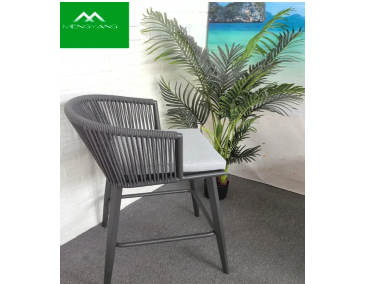
Teak outdoor furniture, while naturally durable, benefits greatly from seasonal attention. Regular care aligned with the changing weather helps prevent damage, maintain appearance, and extend the lifespan of your pieces.
Spring Cleaning: After the cold and damp winter months, inspect your furniture for any signs of cracks, mold, or water damage. Remove dust, dirt, and debris with a soft brush or cloth. For stubborn stains, use a mild soap solution and rinse thoroughly. Once the furniture is dry, apply a thin coat of teak oil or a protective sealer to restore its natural luster and replenish oils lost during the winter. This preparation ensures your furniture is ready for the warmer months.
Summer Care: The summer sun can be intense, potentially causing the wood to dry out and fade. Position furniture under umbrellas, canopies, or shaded areas whenever possible. Regularly wipe down surfaces to remove dust, sweat, or food residues, which can attract dirt and lead to discoloration over time. A light application of teak oil during mid-summer can help maintain moisture levels and protect the wood from UV rays.
Autumn Preparation: Falling leaves, pollen, and debris can stain teak surfaces or create damp spots that promote mold growth. Clear furniture regularly, paying attention to crevices and joints. A gentle wipe-down with a soft cloth or sponge ensures that moisture and debris do not accumulate. Consider applying a protective sealer before the first frost to reduce water absorption.
Winter Storage: Exposure to excessive rain, frost, and freezing temperatures can accelerate wear. If possible, move furniture indoors or cover it with breathable, weather-resistant covers. Avoid plastic sheets that trap moisture, which can lead to mold and mildew. Ensure the furniture is dry before covering, and elevate pieces slightly off the ground to prevent water pooling.
Cushions enhance comfort but also require maintenance:
Fabric Cleaning: Remove and wash cushion covers according to manufacturer instructions. For outdoor fabrics, mild soap and water usually suffice.
Drying: Ensure cushions are completely dry before storage to prevent mold and mildew.
Storage: Store cushions in a dry, ventilated area when not in use. This prolongs their lifespan and maintains cleanliness.
Proper care of accessories complements the longevity of your teak furniture and maintains a polished outdoor aesthetic.
Regular Inspections: Check joints, screws, and fasteners periodically. Tighten or replace as necessary.
Avoid Direct Soil Contact: If placing furniture on grass or soil, consider using a deck or pavers to reduce moisture exposure.
Rotate Furniture: To prevent uneven weathering, rotate pieces periodically, especially those exposed to sun and rain.
These simple measures prevent premature wear and preserve both appearance and functionality.
Teak outdoor furniture represents a blend of beauty, durability, and investment value. With regular cleaning, protective measures, and thoughtful maintenance, it can remain a centerpiece of outdoor living spaces for decades. Whether you prefer the silvery-gray patina of naturally aged teak or the warm golden-brown look of freshly oiled wood, caring for your furniture ensures it continues to offer comfort, style, and elegance.
For those seeking high-quality teak outdoor furniture and expert guidance on maintenance, Foshan Ocean Furniture Co., Ltd. offers a wide range of durable and stylish solutions for your patio, garden, or poolside. Explore their collection and learn more about preserving your investment in beautiful outdoor living.


